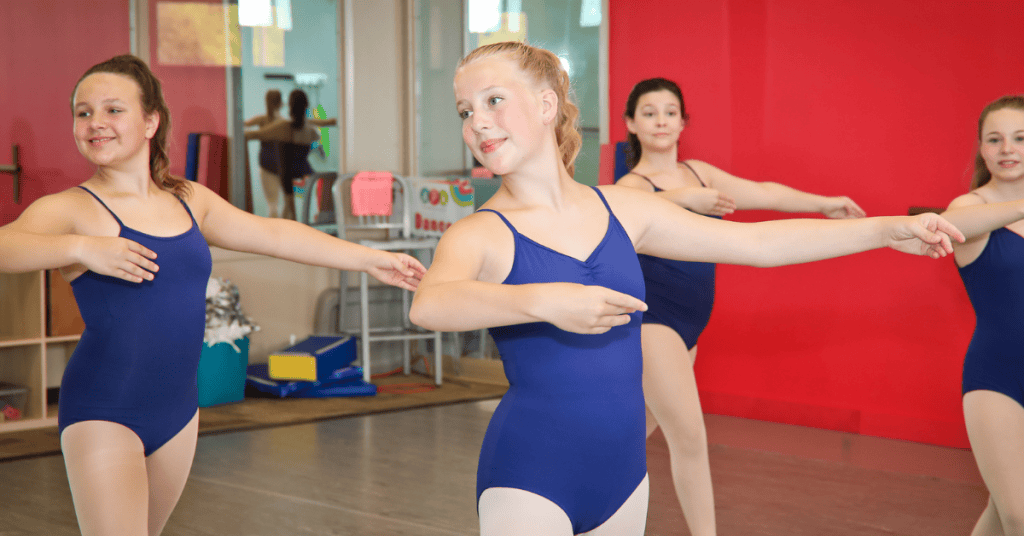
Dance is more than just movement. It’s an excellent way for kids to express themselves creatively while learning valuable life skills that will serve them well into adulthood. But creating a healthy dance culture goes beyond fancy footwork—it’s about fostering an environment that nurtures young minds, builds confidence, and reinforces values like teamwork and discipline.
If you’re a parent, dancer, or simply curious about activities your child can benefit from, this guide will show you how a healthy dance culture not only supports artistic expression but also lays the foundation for lifelong skills.
Why a Healthy Dance Culture Matters for Kids
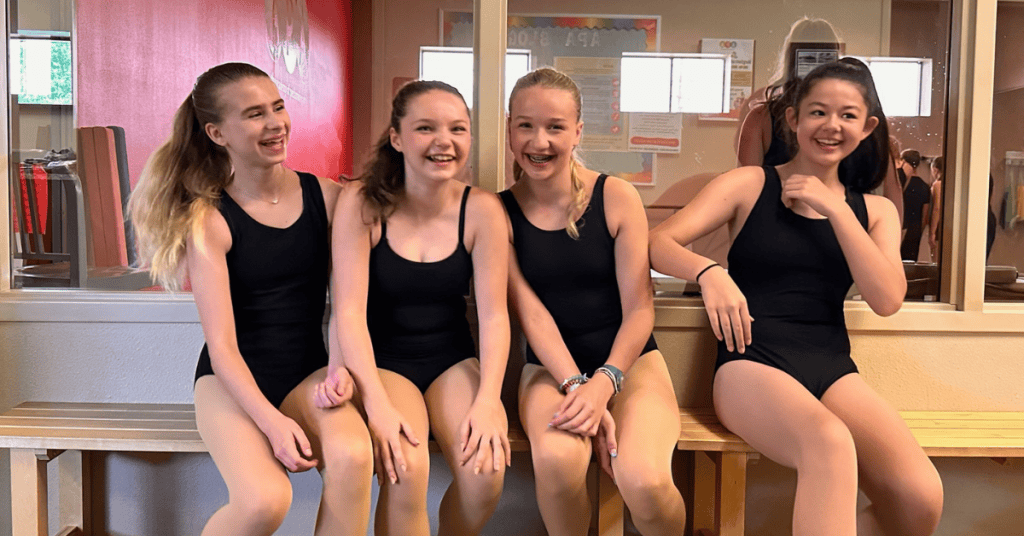
When kids take part in dance, they gain much more than the ability to follow choreography. Dance classes that cultivate a positive and supportive culture set the stage for personal growth, creative exploration, and mental well-being.
Key benefits of a healthy dance culture include:
- Building Teamwork Skills: Students must work together seamlessly in group routines, learning how to support one another to achieve a common goal.
- Boosting Confidence: A supportive environment helps kids feel safe taking risks—whether performing in front of an audience or attempting challenging choreography.
- Following Direction: Dance teaches students the importance of listening to their instructors and following through on guidance, a skill that’s valuable in and outside the classroom.
Now, let’s explore what makes these crucial aspects thrive in a well-rounded dance culture.
1. Encouraging Individual Expression
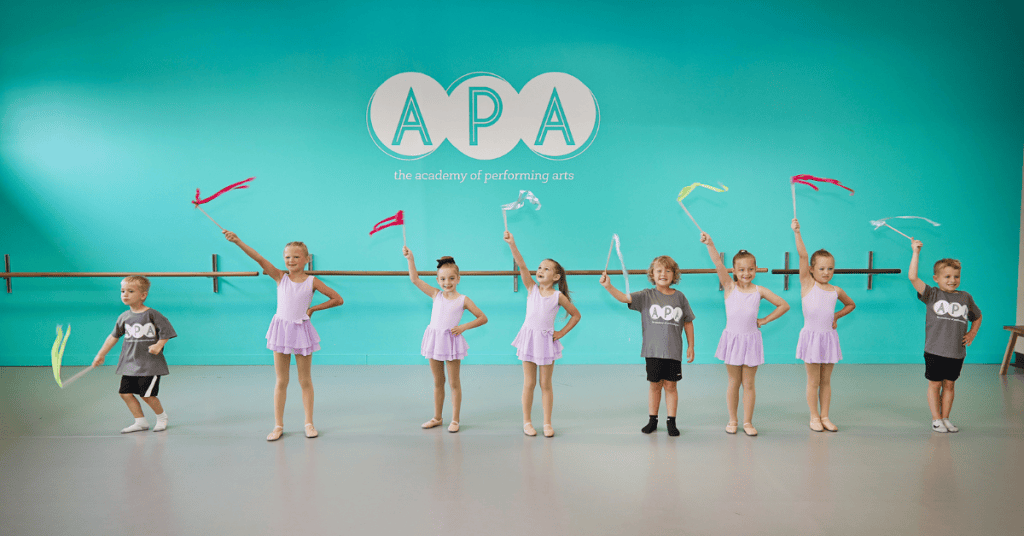
Dance provides an outlet for kids to express themselves beyond words. A healthy dance culture celebrates individuality and creativity while encouraging kids to be authentically themselves.
Best practices for teachers and studios include:
- Allowing kids to experiment with freestyle movement before or after lessons.
- Providing choreography opportunities that challenge them without limiting their creative instincts.
- Recognizing each child’s unique strengths, whether it’s their energy, rhythm, or precision.
Encouraging self-expression allows young dancers to feel valued and inspires them to explore their potential without fear of judgment
2. Practicing Discipline Through Fun!
Structure doesn’t have to equal firmness. Kids thrive when surrounded by routines that find the balance between discipline and enjoyment.
- Classes that have clear expectations allow children to follow rules, stay organized, and develop respect for authority figures—all while having fun.
- Simple yet consistent routines like attendance, warm-ups, center, and across the floor skills instill habits that improve time management and commitment.
When children see that effort can be enjoyable, it transforms their view of discipline into something positive rather than a chore.
3. Building Communication Skills
Dance is a form of communication. It requires children to connect with their peers, follow verbal and non-verbal cues, and even present themselves confidently in front of others.
Whether it’s coordinating partner routines, working with a team, or expressing emotion through performance, dance strengthens crucial social skills that go hand-in-hand with personal development.
Encourage communication by fostering teamwork within group or paired activities, ensuring children understand the importance of collaboration.
4. Instilling Confidence
Performing on stage is no easy feat. It challenges kids to step out of their comfort zone and take the spotlight. A nurturing environment helps kids conquer stage fright and gain a sense of achievement.
- Celebrate milestones, big or small, to foster confidence in every student.
- Always provide constructive, positive feedback—highlight what they did right before any critiques.
- Help kids set realistic, achievable goals for personal improvement each week.
This winning combination of encouragement and progress helps children tackle challenges and boosts their self-esteem both on and off the dance floor.
5. Providing Life Lessons Beyond Dance
Every experienced dancer can attest that the skills they learn in the studio often transcend into other parts of life. Dance sets the foundation for important life skills, such as:
- Time Management: Keeping up with class schedules, rehearsals, and performances teaches kids how to prioritize and allocate time effectively.
- Resilience: Not every step will be perfect. Dance teaches kids to handle constructive criticism and keep trying even after mistakes.
- Adaptability: Changes in choreography or unplanned setbacks during a performance prepare students to think quickly and adapt.
By teaching these lessons, APA goes beyond just cultivating dancers— we build strong, adaptable, and well-rounded individuals.
Miss.Heather-Recreational Dance Manager