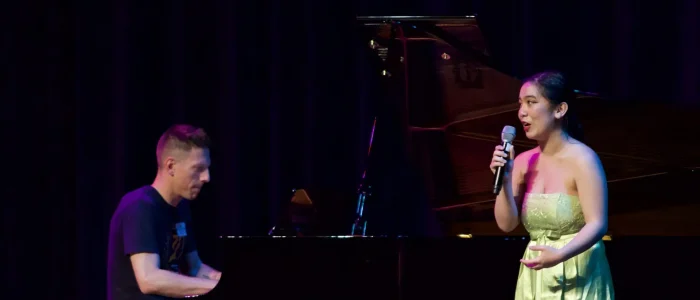
With our annual Spring Music Concert just around the corner, our APA music students are hard at work preparing their pieces. Some are polishing memorization, others are refining dynamics, expression, and tempo—but there’s one experience many students share this time of year:
Performance anxiety (also known as stage fright).
The good news? This is completely normal—and even helpful.
A Healthy Perspective on Nerves
It’s a common belief that nervousness should go away over time. In reality, even professional musicians feel it before performing. A little bit of nervous energy is actually a good thing. It means your child cares. It means they’re invested.
Instead of trying to eliminate anxiety, we want students to:
- Recognize it
- Understand it
- Learn how to work with it
These are lifelong skills that extend far beyond music—into presentations, interviews, and everyday social situations.
Why This Matters
By performing in concerts, students are building:
- Confidence in front of others
- Focus under pressure
- Resilience when things don’t go perfectly
These are powerful tools that will benefit them for years to come.
How You Can Support Your Child
Here are some simple, effective ways you can help at home over the next few weeks:
1. Practice Performing (Not Just Practicing Notes)
Encourage your child to perform their piece for others regularly:
-Family members
-Friends
-Even a small “audience” at home
The more familiar performing feels, the less intimidating it becomes.
2. Use “Performance Mode” Practice
Have your child treat every run-through like the real concert:
-Walk in as if they’re on stage
-Take a deep breath before starting
-Play or sing straight through without stopping
Encourage them to:
– Focus on the music, not on themselves
– Imagine sharing something meaningful with the audience
3. Normalize Mistakes
Remind your child:
-Mistakes are part of live performance
-The audience is rooting for them
-Most mistakes go unnoticed
A great practice habit: Keep going no matter what happens. Don’t stop to fix errors mid-performance. This builds confidence and flow.
4. Try Simple Calming Techniques
These are especially useful right before performing:
-Deep breathing: Inhale for 4 seconds, exhale for 6
-Grounding: Feel both feet firmly on the floor
-Positive cue phrase:
- “I’m prepared.”
- “I’m ready to share my music.”
These quick tools can significantly reduce physical symptoms of anxiety.
5. Focus on Effort, Not Perfection
After practice or performances, try saying:
-“I loved how expressive you were.”
-“You looked confident up there.”
-“I’m proud of how hard you worked.”
This keeps the focus on growth and courage—not perfection.
Most Important Reminder
No matter what happens on stage, your child should know:
They are supported. They are prepared. And we are incredibly proud of them.
It takes real courage to step onto a stage and share music with others—and that alone is worth celebrating.
We are so excited to see all of our students shine on June 6 & 7. Thank you for your continued support in helping them grow not just as musicians, but as confident individuals.
Tiffany Sullivan
APA Music Director